
Technical consulting for safer technology decisions
Fteam analyzes systems, applications, code, architecture, integrations and technical processes to help companies understand risks, organize priorities and make decisions with more clarity.
Consulting can support technologies already in operation, projects under development or initiatives that still need to define the best technical path.
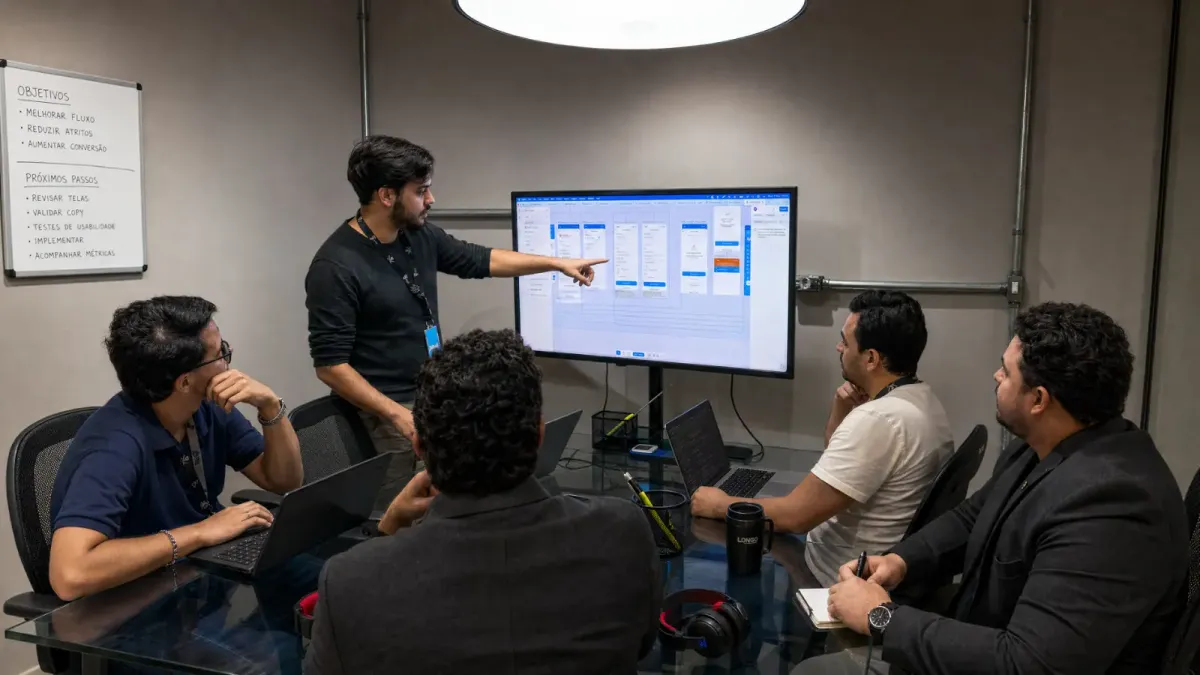
What is software technical consulting?
Technical consulting is a specialized service to analyze a technology, identify risks and guide decisions related to architecture, code, performance, security, integrations and continuity.
The goal is not just to point out problems, but to organize a viable path to fix them, reduce uncertainty and support the evolution of the system.
Technical consulting assesses the structure of a technology and turns problems, risks and questions into clear, prioritized recommendations.
When does a company need technology consulting?
Consulting can make sense when there are important doubts about a system, a project or a technical decision.
- The system shows slowness, instability or recurring failures
- The technology grew without an organized architecture
- It is difficult to add new features
- The team needs to validate technical decisions
- The company intends to take over or replace a vendor
- The project needs to be modernized
- There are doubts about security, performance or scalability
- Leadership needs to understand the technical landscape
- There is excessive dependency on specific people
- The company needs to assess the feasibility of a new project
- Infrastructure or maintenance costs have increased
- The code is difficult to maintain or hand over
Technical consulting focus areas
Technical diagnosis
General analysis of the system, the technologies used, the architecture, the integrations and the main risks.
Architecture review
Assessment of the application structure, separation of responsibilities, organization of components and capacity to evolve.
Code auditing
Review of standards, readability, coupling, risks, duplication and the quality of the codebase.
Performance analysis
Identification of bottlenecks that affect speed, resource consumption, stability and user experience.
Security assessment
Technical analysis of points that could expose data, access, integrations or company operations.
Integration consulting
Assessment of communication between systems, APIs, external platforms and services used by the operation.
System modernization
Structuring a path to update legacy technologies without compromising the continuity of the operation.
Technical feasibility
Assessment of risks, dependencies, technologies and effort required to build or evolve a tool.
Points assessed during the consulting engagement
Architecture
How the system is structured and how its parts relate to each other.
Code
Quality, organization, readability, standards and maintenance risks.
Performance
Speed, resource usage, bottlenecks and stability.
Data
Structure, storage, access, integrity and movement of information.
Integrations
Connections with APIs, internal systems and external platforms.
Infrastructure
Environments, services, availability and costs related to the operation.
Security
Access, permissions, data exposure and points of vulnerability.
Technical process
How the team develops, tests, releases, documents and monitors the technology.
How does the consulting engagement work?
- 01
Understanding the context
We learn about the system, the operation, the objectives and the company’s main concerns.
- 02
Gathering information
We collect access, documents, code, diagrams, indicators and available information.
- 03
Technical analysis
We assess the points defined in the consulting scope.
- 04
Risk identification
We organize problems, dependencies, weaknesses and possible impacts.
- 05
Recommendations
We structure actions, priorities and possible technical paths.
- 06
Presentation and guidance
We share the conclusions with the technical and business areas involved.
What can the consulting engagement deliver?
Deliverables depend on the objective and the depth of the analysis. The consulting engagement turns technical analysis into a set of recommendations that are understandable, prioritized and connected to the company’s reality.
- Technical diagnosis
- Risk report
- Priority map
- Architecture recommendations
- Code analysis
- Modernization plan
- Technical diagram
- Technology guidance
- Fix plan
- Evolution roadmap
- Presentation for leadership
- Feedback meeting
Not every technical problem needs to be solved at the same time
A mature consulting engagement does not simply present a long list of problems. The points identified need to be organized according to impact, urgency, risk and effort.
This prioritization helps the company focus resources on what really affects security, continuity, costs or the capacity to evolve.
- Critical
- High impact
- Necessary improvement
- Recommended evolution
- Future opportunity
Technical complexity translated into business decisions
Many technology decisions involve investment, risk, timeline and operational continuity. That is why the conclusions of the consulting engagement also need to be understandable for leaders who are not directly involved in development. Fteam organizes communication to connect technical problems to their possible impacts on the business.
- Risk of downtime
- Difficulty growing
- Increased costs
- Loss of productivity
- Vendor dependency
- Data exposure
- Slower deliveries
- Difficulty hiring or onboarding professionals
Can a system built by another company be analyzed?
Yes. Consulting can be carried out on systems developed in-house or by other vendors. The analysis helps the company understand the current state of the technology before switching vendors, starting a support engagement, modernizing the architecture, expanding the team, developing new features, planning a migration or making a new investment.
Can consulting also happen before development starts?
Yes. Technical analysis can support new projects before important decisions turn into code, cost and dependencies that are hard to change.
Key decisions are assessed before construction begins.
- Feasibility assessment
- Architecture definition
- Technology selection
- Integration analysis
- Complexity estimation
- Risk identification
- Team structuring
- Deployment planning
Technical consulting for Flutter projects
Fteam has experience with Flutter projects and can act on the analysis of existing applications, architecture, state management, performance, code organization and evolution planning.
- Flutter architecture review
- Code auditing
- Performance analysis
- Version upgrades
- Project diagnosis
- Support with migrations
- Definition of technical standards
- Guidance for teams
Can Fteam also execute the recommendations?
Yes. After the consulting engagement, the company can carry out the recommendations internally, with another vendor or with Fteam itself. Execution does not need to be hired separately — the consulting engagement can be carried out as an independent analysis.
- Stabilization project
- System modernization
- Ongoing support
- Development of improvements
- Outsourcing of professionals
- Dedicated squad
- Technical follow-up
- Team training
Consulting applied to different contexts
Fteam takes part in projects that require analysis, reorganization, modernization and technical guidance across different contexts.
Frequently asked questions
Does the consulting engagement require access to the code?
It depends on the objective. Some analyses can be carried out with documentation and architecture, but code audits require access to the project codebase.
Can Fteam analyze a system without documentation?
Yes. The lack of documentation may increase the effort of the analysis, but it does not prevent a diagnosis from being carried out.
Does the consulting engagement include development?
Not necessarily. Consulting analyzes and recommends. Execution can be hired separately.
Can Fteam work with our internal team?
Yes. Consulting can involve developers, leadership, vendors and business areas of the company.
Is it possible to evaluate just one part of the system?
Yes. The scope can be focused on architecture, code, performance, security, integration or another specific need.
Does the consulting engagement produce a report?
Deliverables are defined according to scope and may include reports, diagrams, recommendations and presentations.
How long does a technical consulting engagement take?
The timeline depends on the size of the system, the depth of the analysis and the availability of access and information.
Can Fteam help choose technologies?
Yes. We can analyze alternatives considering context, team, integrations, costs, maintenance and capacity to evolve.
Clearer technical decisions start with a consistent analysis.
Tell Fteam about the doubts, risks or decisions affecting your current technology. Our team can help you understand the scenario and organize a safer path for the next steps.